

How to Ship Flowers
Keeping floral bouquets in perfect condition is a must when it comes to shipping flowers. Here's how to ship them safely to any destination.
By Francesca Nicasio — 27 May, 2022
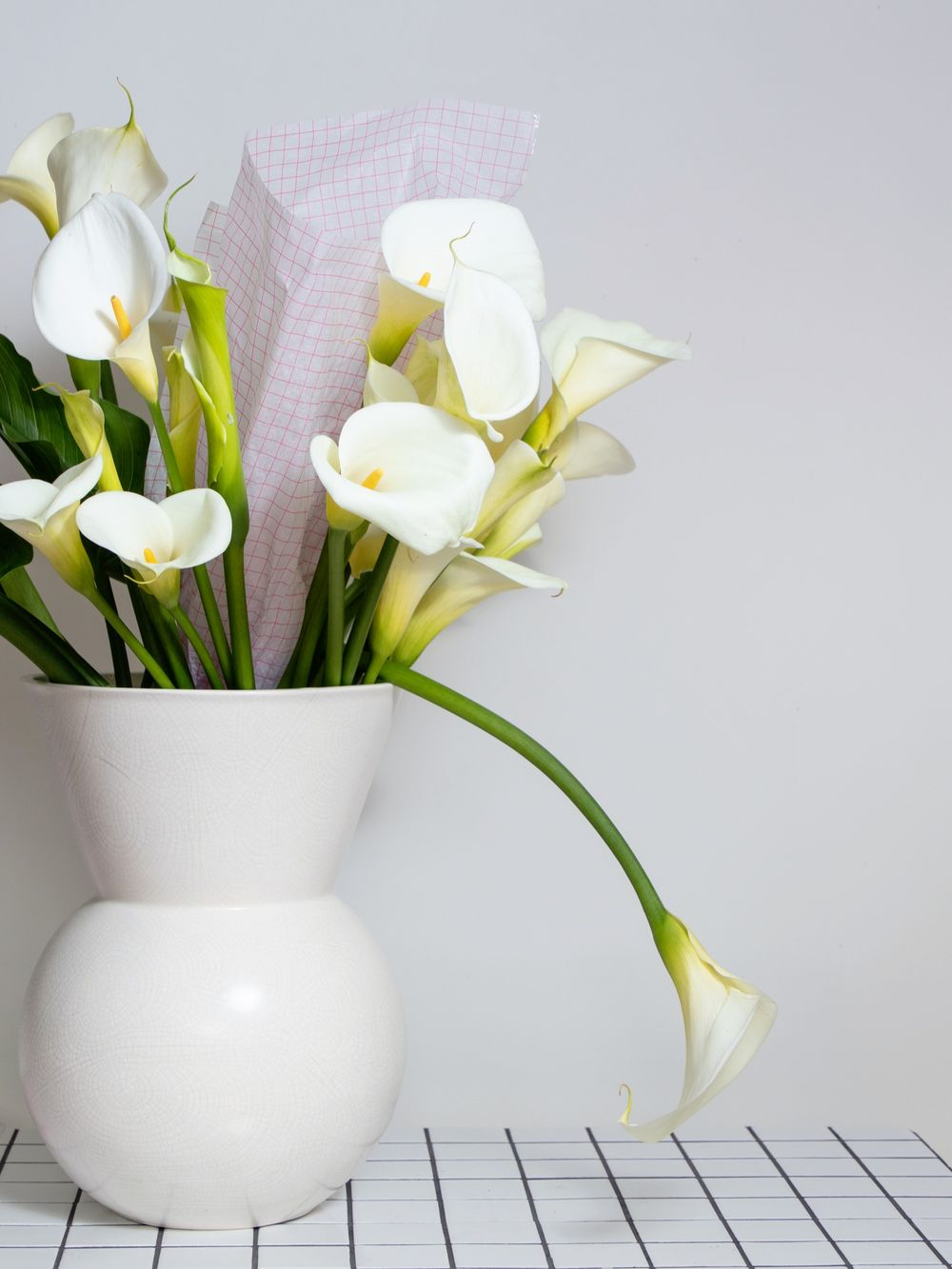
noissue Custom Tissue Paper by @gypsy.carmen
Flowers are the perfect gift for any occasion, and a carefully timed bouquet delivery can instantly brighten a loved one’s day.
This explains why the flower market has been growing for years and now generates over $31.96 billion in annual revenue worldwide. Whether you run a retail flower shop or an e-commerce floristry business, you’ll need to know how to ship flowers safely before tapping into the demand.
Let’s cover how to send flowers properly so that they arrive at their destination in perfect condition, as well as the best couriers for quick or overnight shipping so your beautiful bouquets reach customers on time.
Packaging materials you’ll need for sending flowers
There’s a stringent time limit on flower deliveries; the clock starts ticking from the moment you clip the stem. Gather all the necessary materials before starting any part of the packaging process:
- Flowers
- Scissors
- Twist ties
- Tissue paper
- Vase
- Ribbon
- Bubble wrap
- Shipping box
- Packing tape
How to mail flowers fresh
Flowers are very delicate, so you’ll need proper packaging to ensure the petals and stems don’t get damaged during transit. Follow our step-by-step instructions on how to ship flowers so they arrive in the best possible condition.
Step 1: Select your flowers for delivery
Gather the flowers on the day you plan to ship them. Ensure they’re healthy and have no visible breaks, cuts, or nicks. Keep the flowers hydrated in a vase of water, and leave them in a cool, dark place while you prepare the packaging materials.
Step 2: Cut the flower stems
Cut the flower stems carefully, ensuring they fit in your shipping box. This is especially important for long-stemmed cut flowers like roses.
Avoid cutting the stems too short. Aim to leave at least a couple of inches between the edges of the flower and the box. This reduces the chance of the cardboard rubbing against the petals and damaging them.
After cutting, tie the stems together with rubber bands or twist ties securely to prevent shifting in transit.
Step 3: Wrap the flowers in packing paper
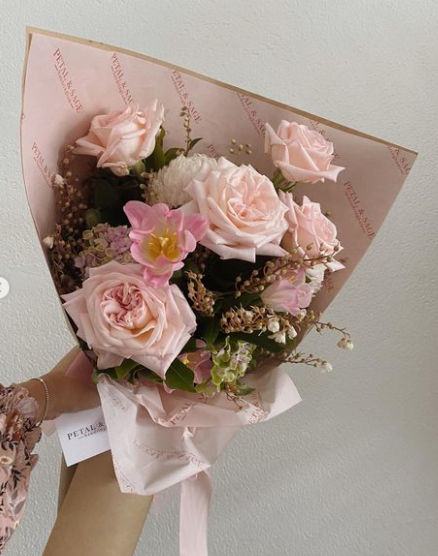
Carefully wrap the stems in tissue paper to prevent them from falling out of the bunch during transit. Wrap the stems loosely to avoid smothering them. Use old newspaper to protect the top of the flowers to prevent crumpling.
Alternatively, you can keep the flowers hydrated throughout shipment by securing the stems in water tubes or floral foam.
Once you’ve wrapped flowers, add a Custom Recycled Satin Ribbon to elevate the overall look of the beautiful blooms.
Place the entire flower arrangement in a plastic bag and secure it with tape to prevent moisture from damaging the shipping box.
Step 4: Place the flowers in a strong, corrugated box
Place the flowers in a telescoping or corrugated cardboard box. The box should be big enough for your bouquet, while leaving a few inches of spare space for cushioning material.
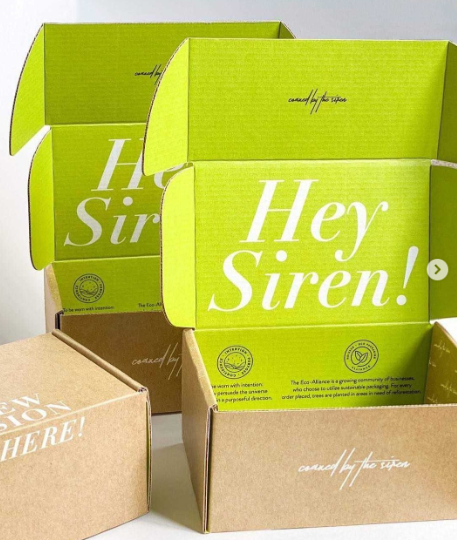
For a stronger visual impact and a memorable unboxing experience, we recommend using custom shipping boxes. This additional touch ensures your package is on-brand and as beautiful as the floral arrangement inside it.
Use tissue paper, packing peanuts, or bubble wrap to create a bed of cushioning, and place your flowers on it at the center of the box. Secure the arrangement to the box or an insert with twine or cable ties to prevent any movement during the flower delivery.
Use your packing materials to fill the remaining spaces in the box and give the box a slight tousle to ensure the bouquet isn’t sliding around.
We suggest adding a note instructing the recipient on how to properly care for the flowers. Cut flowers should be unpacked immediately, and the stems should be placed in a vase with water.
Step 5: Protect the vase
If you’re shipping flowers with a vase, make sure the vase doesn’t have any water in it.
We recommend placing a corrugated cardboard divider inside the box to separate the vase and flowers so that the delicate petals don’t get damaged in transit. You can also surround the vase with cushioning material for an extra layer of protection.
Step 6: Place your box into a larger box
Place your box in a larger box for an additional wall of protection. This will reduce the odds of any breakage during transit.
Step 7: Seal and label the box
Use water-activated tape to secure the box’s seams and flaps. Place your shipping label on the top of the box to indicate the best direction for handling. Mail the package as early as possible so that the flowers can be shipped within 24 hours.

Best couriers for shipping flowers
Fresh flowers are perishable, so it’s crucial to work with a fast and reliable courier. The less time your flowers spend in transit, the more likely they’ll survive the trip. Plus, you want your flowers to arrive on time for weddings and holidays like Valentine’s!
The major shipping carriers, USPS, FedEx, and UPS, all offer overnight shipping services suitable for flower delivery. Alternatively, you can work with specialty flower delivery businesses like The Bouqs Co., Floom, and Teleflora.
Sending cross-country? Some states have strict regulations on shipping flowers and other plants. Contact the U.S. Department of Agriculture (USDA) office within the state for more information.
Shipping flowers through USPS
USPS requires the butts of flowers to be wrapped in waterproof material such as kraft paper or plastic wrap to prevent the parcel from leaking. The tops of plants should have a protective wrapping made of paper or straw to prevent them from drying out.
Businesses can use these USPS services for shipping flowers:
Shipping flowers through FedEx
FedEx doesn’t have any special labeling requirements, but recommends adding Hold at Location or Signature Required during winter to ensure packages aren’t left in cold outdoor conditions. FedEx also recommends ensuring that packages can handle colder temperatures, especially for tropical blooms like orchids.
FedEx’s overnight shipping system is more reliable but costlier than USPS. We recommend delivering flowers with any of the following services:
Shipping flowers through UPS
UPS has no particular packaging or labeling requirements for shipping flowers.
Like FedEx, UPS offers more reliable overnight shipping at a cost. We recommend the following services for flower shipments:
What’s the most cost-effective way to ship flowers?
USPS Priority Mail is the cheapest flower shipment option that offers tracking. It balances affordability with fast shipping. With a 1-3 day delivery estimate, Priority Mail is ideal for local, in-state customers. Note that Priority Mail might not deliver on Sundays, depending on the ZIP code.
What about shipping flowers internationally?
You need a phytosanitary certificate issued by the Department of Agriculture before you can ship live plants to other countries.
You must also investigate the laws and regulations of the destination country to ensure you comply with relevant rules regarding the import of live plants. Contact your courier for more clarification on the applicable rules.
Wrapping it up
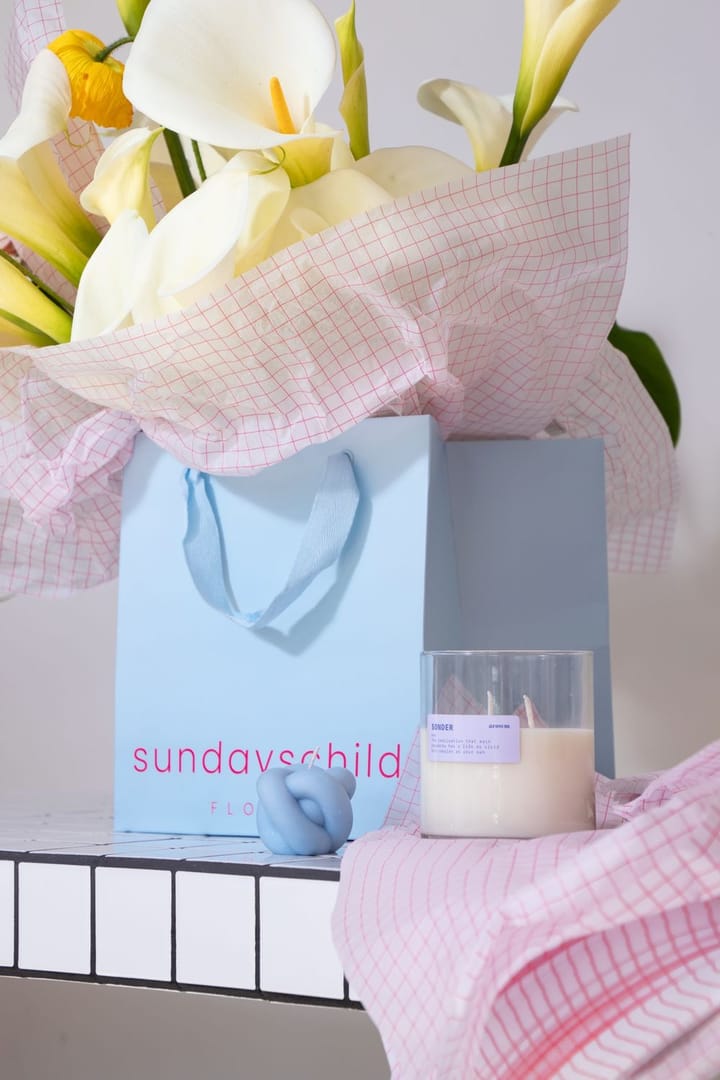
Now that you know how to ship flowers with proper packaging, you can ensure your blooms arrive safe and sound every time.
If you run a flower shop and are looking to elevate your shipments, check out noissue’s custom packaging solutions. Our personalizable boxes and tissue paper are designed to give your packages that extra-special touch that connects with your customers and their giftees.
From naturalistic kraft paper tissue to full-color CMYK-printed paper, our offerings are fit for any business in the flower market. Just upload your logo online and brief a designer, or use our PDF/Illustrator templates to create a wholly custom design.
Explore customizable packaging options for flower shops today!